marina esmaile

portfolio

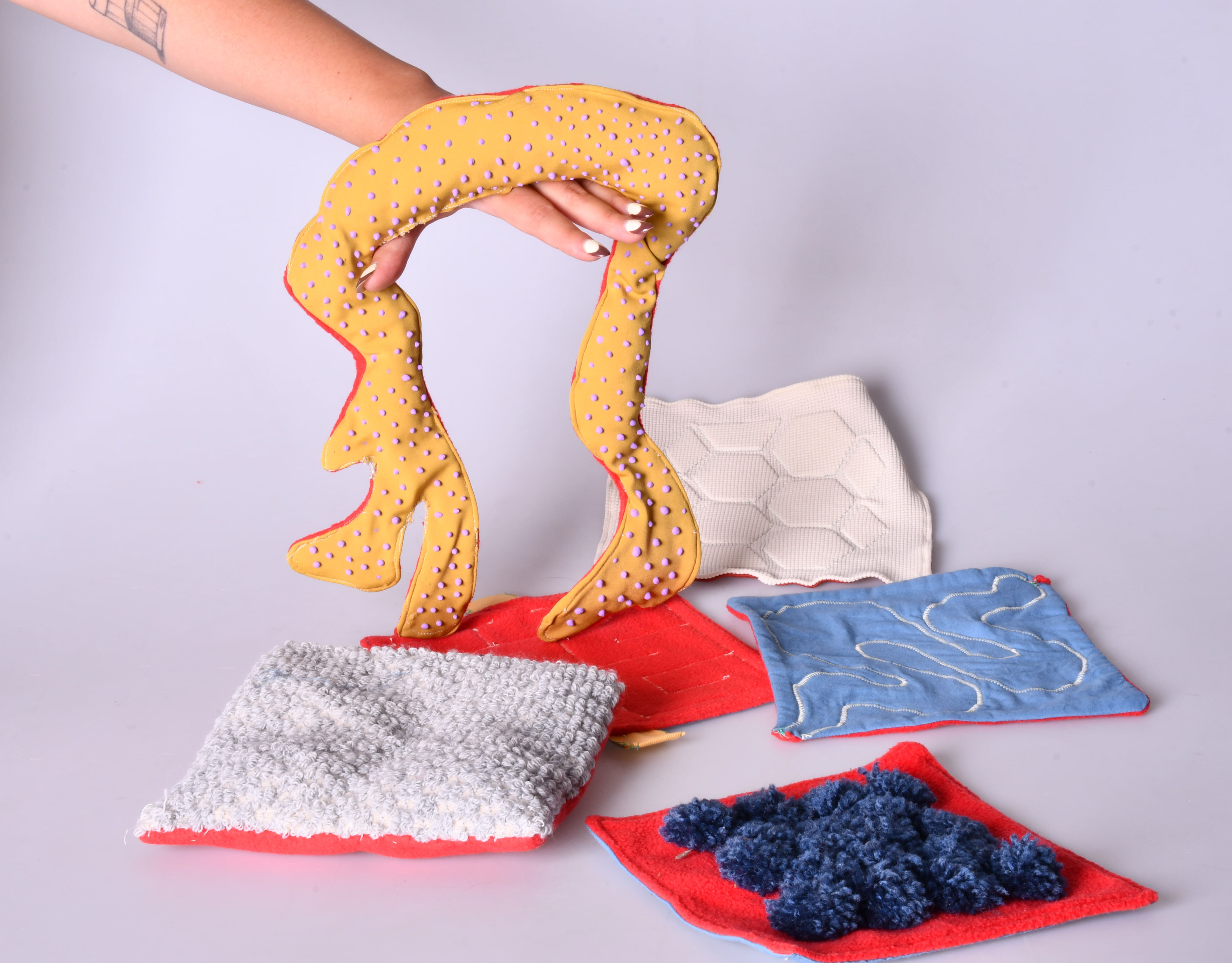
This unique bag is part of a collection developed in collaboration with Porto’s Botanic Garden during the Master’s in Product and Industrial Design at UPorto. Inspired by the organic beauty of the Celosia cristata flower and intricate reef structures, the design captures the fluidity and texture found in nature.
Crafted from Burel wool, a heritage Portuguese material renowned for its durability and rich texture, this piece blends tradition with contemporary design. Generously provided by Burel Factory, the wool adds a tactile and sustainable quality, making this bag not just an accessory, but a statement of craftsmanship and innovation.

This project was exhibited at Soares dos Reis National Museum in Porto, Portugal in December/ 2024, as part of a collective exposition organized by University of Porto Master’s in Industrial and Product Design course.

This versatile jar set was developed as part of a collaborative project with Porto’s Botanic Garden during the UPorto Master’s program.
Inspired by the seamless repetition technique (rapport) from textile design, the jars can be arranged together harmoniously, regardless of their varying heights and functions.
Designed in Autodesk Fusion 360 and 3D printed under the guidance of MDIP-UP’s 3D Lab Professor José Machado, this collection merges precision technology with organic inspiration, offering both aesthetic appeal and functional adaptability.

This project was exhibited at the Soares dos Reis National Museum in Porto, Portugal, in December/ 2024, as part of a collective exposition organized by the University of Porto Master’s in Industrial and Product Design course.

This ceramic platter was created by the biomimetic inspiration of Celosia cristata flower, developed during the MDIP Design Studio’s project in collaboration with Porto’s Botanic Garden. Crafted from clay and finished with a mix of ceramic glazes, this multi-purpose piece functions as a hot pot support, serving plate, or decorative object. To ensure precision in its organic form, a 3D-printed matrix was used to cut clay slabs, shaping the design at MDIP-UP’s Ceramic Lab, under the guidance of Professor Lígia Lopes and technician Pedro Santos.

This second-hand jacket was reborn through Linocycle, an upcycling technique developed by the author.
By combining engineered print design with traditional hand-printing methods, each tile was carefully carved to seamlessly integrate with the garment’s structure—enhancing details like the placket, hem, back panel, and yoke.
The custom-mixed color mimics the natural fades of denim, blending harmoniously with the fabric. This versatile and sustainable printing technique allows endless pattern and color variations, giving new life to textiles while preserving the artistry of handcraft.

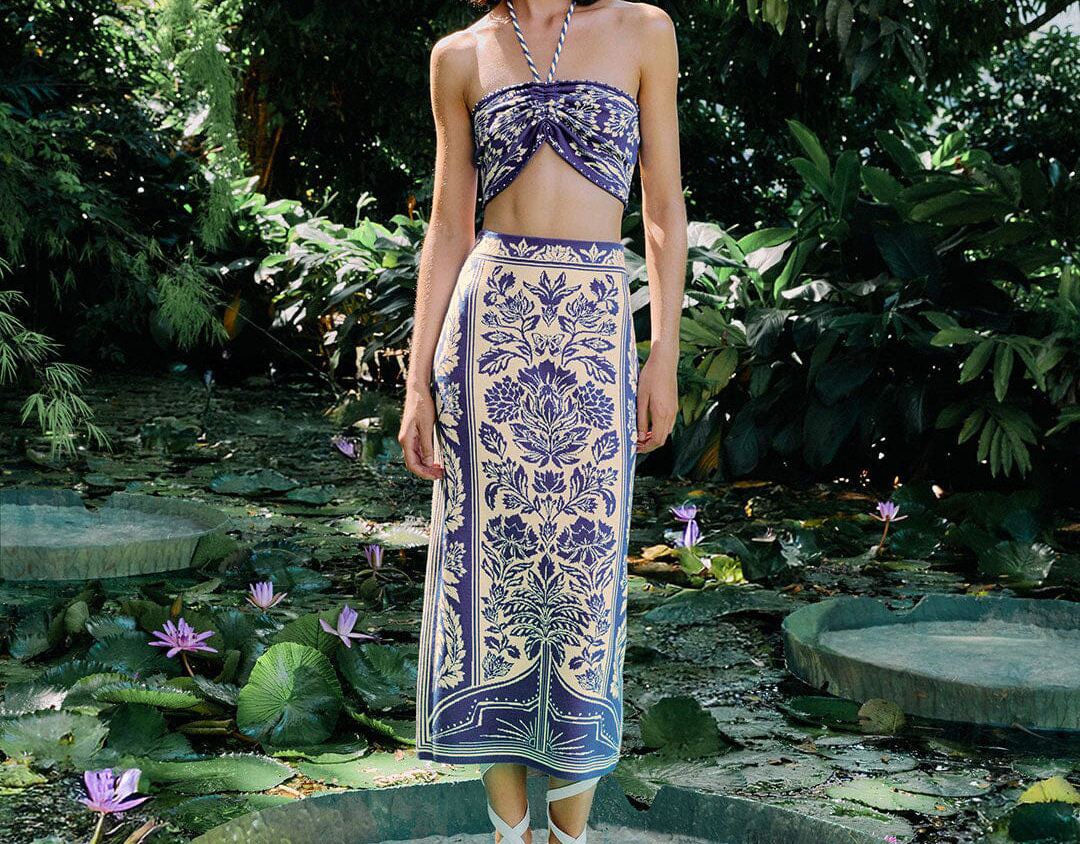
As a Knitwear & Print Designer at FARM Rio, I contributed to the brand’s international sector for nearly five years, blending creativity with technical expertise. My work involves adapting prints to garment patterns, refining seamless repeats, and collaborating with patternmakers to ensure precise placement. I also develop complementary products, prepare detailed tech packs for suppliers, and oversee workflow coordination as Chapter Leader for Knitwear, Denim and Swimwear squads, facilitating seamless collaboration between in-house teams and freelance assistants. These are some of my most recent design contributions.

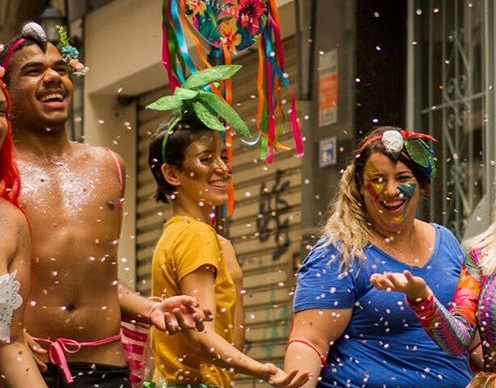
Chica Bacana was founded in 2017, driven by the passion of two friends for Rio de Janeiro’s street carnival. It began as an experiment to bring joy, excitement, and a playful spirit to the revelers.

The brand honed its best-sellers and kept the bird motif in its collections over the next two years, with “Festa no Céu” and “After no Céu.” By 2020, the brand’s whimsical creatures took a dive into the ocean, inviting their aquatic friends to join in the fun alongside with accessories as fanny packs and side bags.